
Assisted living safety depends on more than preventing falls. Residents also need protection from respiratory viruses, gastrointestinal infections, medication errors, unsafe equipment, fires, and delayed responses to changes in health. In Baldwin, PA, families can evaluate safety practices by looking for clear routines, trained staff, clean shared spaces, and communication that continues during illness or emergencies.
What infection prevention should look like in assisted living
Infection prevention is a daily system, not a response used only during an outbreak. Staff should recognize symptoms early, clean shared equipment correctly, use protective equipment when needed, and communicate changes promptly to residents and families.
Assisted living residences generally support people who live in a shared community while receiving help with personal care, medications, mobility, meals, or health-related needs. Residents may be more vulnerable to complications from influenza, COVID-19, RSV, norovirus, urinary infections, and other illnesses because of age, chronic conditions, or weakened immunity.
A sound infection prevention program usually includes:
- Written procedures for hand hygiene, cleaning, laundry, food safety, and respiratory illness
- Staff education on infection symptoms and standard precautions
- Access to soap, water, alcohol-based hand sanitizer, gloves, gowns, masks, and eye protection when appropriate
- Routine cleaning of high-touch surfaces and shared equipment
- A process for reporting suspected infections and tracking symptoms
- Plans for isolation, testing, treatment coordination, and communication during outbreaks
Pennsylvania assisted living regulations also address staff training, cleanliness, sanitation, and recognition of infection signs. Residents or family members may ask to review the residence’s general infection control procedures and emergency plans.
How can residents reduce the spread of illness?
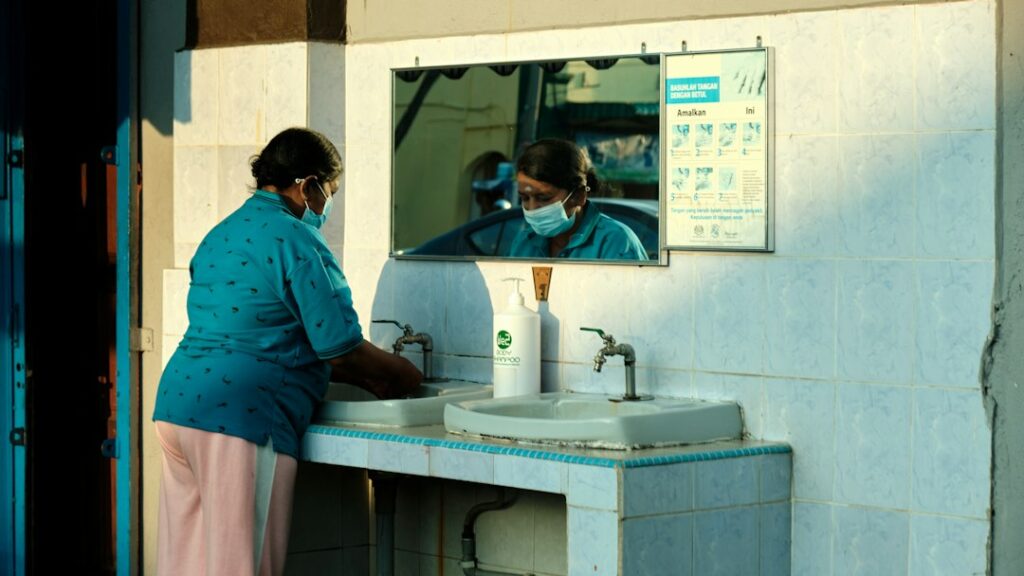
Residents can lower infection risk through a few consistent habits. Handwashing is especially useful before eating, after using the bathroom, after coughing or sneezing, and after contact with shared surfaces. Soap and water are preferred when hands are visibly dirty. Alcohol-based sanitizer is useful when a sink is not nearby, but it may not work as well against certain gastrointestinal germs.
Coughs and sneezes should be covered with a tissue or the inside of the elbow rather than the hands. Used tissues belong in a lined trash container, followed by hand hygiene.
Residents should also tell staff about new symptoms instead of waiting for them to worsen. Relevant symptoms may include:
- Fever or chills
- New cough, sore throat, congestion, or shortness of breath
- Vomiting or diarrhea
- Unusual fatigue, confusion, weakness, or dizziness
- Pain or burning with urination
- A new rash, wound, redness, drainage, or swelling
Older adults do not always develop a high fever during an infection. A sudden change in alertness, appetite, balance, continence, or behavior can be an early warning sign.
What should visitors do during flu and respiratory virus season?
Visitors who are sick should postpone nonessential visits until symptoms improve. A person with a mild cough or recent exposure may need to wear a mask, clean their hands, and follow the residence’s visitor instructions.
Seasonal conditions can affect routines in the local community. During colder months, residents spend more time indoors, windows may remain closed, and gatherings can increase. These factors can make ventilation, symptom screening, hand hygiene, and prompt separation of ill residents more important.
Visitors should avoid bringing shared food, unwashed items, or medications unless the residence has approved them. Children and adults who have recently experienced vomiting, diarrhea, fever, or a significant respiratory illness should follow the residence’s guidance before returning.
Visitation restrictions should not be used casually, but temporary changes may be appropriate during an outbreak or when public health guidance requires additional precautions. Residents should receive clear explanations and reasonable alternatives for staying connected.
How are shared equipment and personal care made safer?
Shared equipment can spread germs if it is moved from one resident to another without proper cleaning. Examples include blood pressure cuffs, thermometers, pulse oximeters, mobility equipment, shower chairs, and blood glucose supplies.
Equipment should be cleaned and disinfected according to the manufacturer’s instructions and the residence’s policy. Staff should know who is responsible for cleaning each item and should keep clean supplies separate from used or contaminated equipment.
Blood glucose monitoring deserves particular attention. Finger-stick devices, lancets, insulin supplies, and meters must be handled in a way that prevents bloodborne infections. Devices intended for one person should not be shared, even when a new lancet is used. Residents and families may reasonably ask how these supplies are labeled, stored, cleaned, and discarded.
Personal care also requires privacy and infection control. Staff should perform hand hygiene between residents, change gloves between tasks when contamination is possible, and avoid moving from a dirty task to a clean task without washing their hands.
What other safety protocols matter besides infection control?

A safe assisted living residence uses several overlapping systems.
Fall prevention: Staff should identify residents at higher risk, keep walkways clear, provide adequate lighting, secure rugs, maintain handrails, and check whether footwear, medication side effects, vision problems, or dehydration are contributing to falls.
Medication safety: Medicines should be stored, labeled, administered, documented, and disposed of according to policy. A new medication, missed dose, excessive sleepiness, dizziness, or unusual behavior should be reported and reviewed.
Fire and emergency readiness: Residents should know how alarms, evacuation assistance, severe weather procedures, and emergency communication work. Baldwin households may also want to ask how the residence prepares for winter power interruptions, icy conditions, heating problems, or transportation delays.
Food and water safety: Kitchens should prevent cross-contamination, maintain appropriate food temperatures, accommodate allergies, and monitor residents who have swallowing difficulties or dehydration risk.
Wandering and environmental safety: Residents with cognitive impairment may need individualized safeguards that preserve dignity while reducing the risk of leaving an unsafe area, entering another resident’s room, or accessing hazardous supplies.
What questions should families ask?
Families can learn a great deal by asking specific, practical questions:
- How are new respiratory or gastrointestinal symptoms reported?
- What happens when a resident tests positive for a contagious illness?
- How are families notified about outbreaks or significant exposures?
- How often are shared devices cleaned, and who documents that work?
- Are hand sanitizer, tissues, masks, and soap available throughout the building?
- How are staff trained in infection control, emergency response, fall prevention, and dementia-related safety?
- What is the plan for power failures, severe winter weather, or building evacuation?
- How are care changes communicated between aides, nurses, medication staff, physicians, and families?
- How can a resident or representative report a safety concern?
Residents should feel able to raise concerns without being dismissed. A request for hand hygiene, clean equipment, symptom information, or an explanation of precautions is a reasonable part of participating in care.
When should a concern receive urgent attention?
Immediate help is appropriate for severe breathing difficulty, chest pain, blue or gray lips, uncontrolled bleeding, sudden one-sided weakness, a major fall, severe allergic reaction, or a sudden change in consciousness.
A same-day clinical review may be needed for new confusion, repeated vomiting or diarrhea, a spreading rash, worsening wound drainage, high or persistent fever, dehydration, or a rapid decline in mobility.
Infection prevention works best when residents, visitors, and staff share information early. Clear procedures, respectful communication, properly maintained spaces, and prompt attention to symptoms help an assisted living community remain safer throughout the year.
