
Dementia can affect memory, communication, judgment, mood, sleep, and the ability to manage everyday activities. In assisted living, effective support combines familiar routines, respectful communication, safe surroundings, appropriate health care, and regular communication between residents, staff, and families.
For families in Baldwin, PA, the transition may bring relief from the demands of round-the-clock care, but it can also create uncertainty. Family members may wonder how often to visit, what changes to report, and how to respond when a loved one becomes confused or upset. The following guidance can help make daily care more consistent and person-centered.
What does good dementia support look like?
Good dementia support is built around the individual rather than only the diagnosis. Staff and family members should learn the resident’s history, preferences, abilities, routines, and sources of comfort.
Useful information includes:
- Preferred name and language
- Typical sleep and meal patterns
- Favorite foods, music, hobbies, and activities
- Previous occupations, family roles, and meaningful memories
- Personal care preferences
- Known fears, triggers, and calming strategies
- Hearing, vision, mobility, and communication needs
- Signs that may indicate pain, illness, hunger, or fatigue
A resident who once enjoyed gardening may respond well to sorting seeds, caring for indoor plants, or looking through photographs of gardens. Someone who worked with tools may find satisfaction in safe, simple tasks involving organizing or arranging objects. Activities do not need to be complicated to be meaningful.
How should family members communicate with a person who has dementia?
Use short, calm statements and allow extra time for a response. Dementia can make it difficult to find words, follow lengthy explanations, or filter background noise.
Helpful approaches include:
- Approach from the front and use the person’s name.
- Make eye contact without staring.
- Ask one question at a time.
- Offer two simple choices, such as “Would you like tea or water?”
- Use a calm voice and relaxed facial expression.
- Repeat the message with different words if needed.
- Focus on the person’s feelings rather than correcting every detail.
- Include the resident in conversations about their care.
Avoid quizzing a person about dates, names, or recent events. Questions such as “Do you remember who visited yesterday?” may create embarrassment or frustration. If a resident believes an event happened differently from how family members remember it, arguing usually increases distress. A response such as “That sounds upsetting” or “Let’s sit together for a while” may be more reassuring.
Hearing aids, glasses, and quiet surroundings also matter. A resident who appears confused may be struggling to hear or see clearly.
How can routines reduce confusion?
Consistent routines help residents understand what to expect. Regular times for waking, meals, personal care, activities, rest, and bedtime can reduce unnecessary stress.
Changes should be introduced gradually when possible. A new roommate, a rearranged room, a different meal schedule, or unfamiliar staff member may be difficult to process. Staff can help by explaining changes simply and using visual reminders such as calendars, labeled drawers, and signs that identify the bathroom or bedroom.
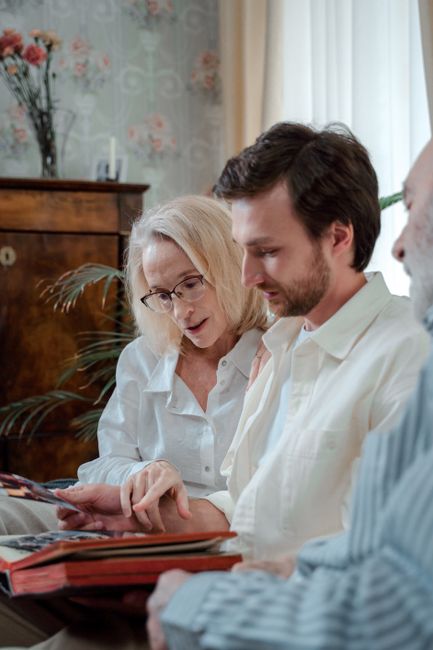
Family visits may also be easier when they follow a predictable pattern. Shorter, calm visits are often more successful than long visits filled with questions or several visitors at once. A familiar activity, such as folding towels, looking through a photo album, listening to music, or taking a supervised walk, can provide structure.
What should families do when a resident becomes agitated?
Agitation is often a sign of an unmet need rather than intentional misbehavior. Before assuming that a resident is being difficult, consider whether the person may be experiencing:
- Pain or illness
- Constipation or an urgent need for the bathroom
- Hunger, thirst, fatigue, or overheating
- Too much noise, activity, or unfamiliar stimulation
- Fear caused by misunderstanding a situation
- Difficulty communicating a basic need
- A medication side effect or change in health
Lowering noise, moving to a quieter area, offering a drink, or redirecting attention may help. A familiar snack, favorite song, simple chore, or brief walk can sometimes restore a sense of comfort.
Sudden or severe changes deserve prompt medical attention. New confusion, unusual sleepiness, falls, fever, weakness, hallucinations, or a rapid change in behavior can be related to infection, medication problems, dehydration, pain, or another treatable condition. Families should report such changes promptly through the appropriate care process.
How can assisted living remain safe without feeling restrictive?
Safety measures should protect the resident while preserving as much independence as possible. Staff and families can review fall risks, bathroom access, footwear, lighting, medication management, wandering concerns, and emergency procedures.
A personal history of wandering or exit-seeking should be documented clearly. The care plan may include supervision, secured areas, identification information, and strategies for understanding what the resident is trying to find or accomplish.
Seasonal conditions also deserve attention. During icy or snowy weather in Baldwin, outdoor walking areas and entrances may become hazardous. Cold-weather clothing, proper footwear, safe transportation, and indoor activity options can help residents remain active without unnecessary exposure to falls or cold temperatures. During power interruptions or severe weather, families should understand how the facility communicates with residents and designated contacts.
Safety does not mean removing every choice. Offering two outfits, allowing a resident to choose between activities, or letting the person complete part of a familiar task supports dignity and independence.
How should families work with assisted living staff?
Consistent communication is essential. Families can keep a brief record of changes in appetite, sleep, mood, mobility, continence, communication, and behavior. Patterns are often more useful than isolated incidents.
Questions worth discussing include:
- What usually calms the resident?
- What activities does the resident participate in?
- Has there been a change in eating, sleeping, or walking?
- Are there new safety concerns?
- Does the current care plan still match the resident’s abilities?
- What changes should family members report immediately?
- How are emergency contacts and medical instructions kept current?
Families should share advance directives, medication information, health history, preferred routines, and important cultural or personal preferences. If several relatives are involved, choosing one primary contact can reduce conflicting instructions.
How can families support their own well-being?
Dementia affects the whole family, even after a move to assisted living. Guilt, grief, worry, and relief can exist at the same time. These feelings do not mean a family member has stopped caring.
Visits do not need to be perfect. A quiet presence, hand massage with permission, shared music, or sitting outdoors may be more valuable than trying to create a long conversation. Family members should also watch for exhaustion, depression, sleep problems, or anxiety that interfere with daily life.
The goal is not to prevent every symptom of dementia. The goal is to help the resident feel safe, respected, connected, and involved in daily life while responding promptly to changes in health or safety.
